Why Is My Pillar Content Not Ranking Higher Than Competitors?
Built comprehensive pillar pages but still not ranking? Discover the 9 critical mistakes preventing your pillar content from outranking competitors.

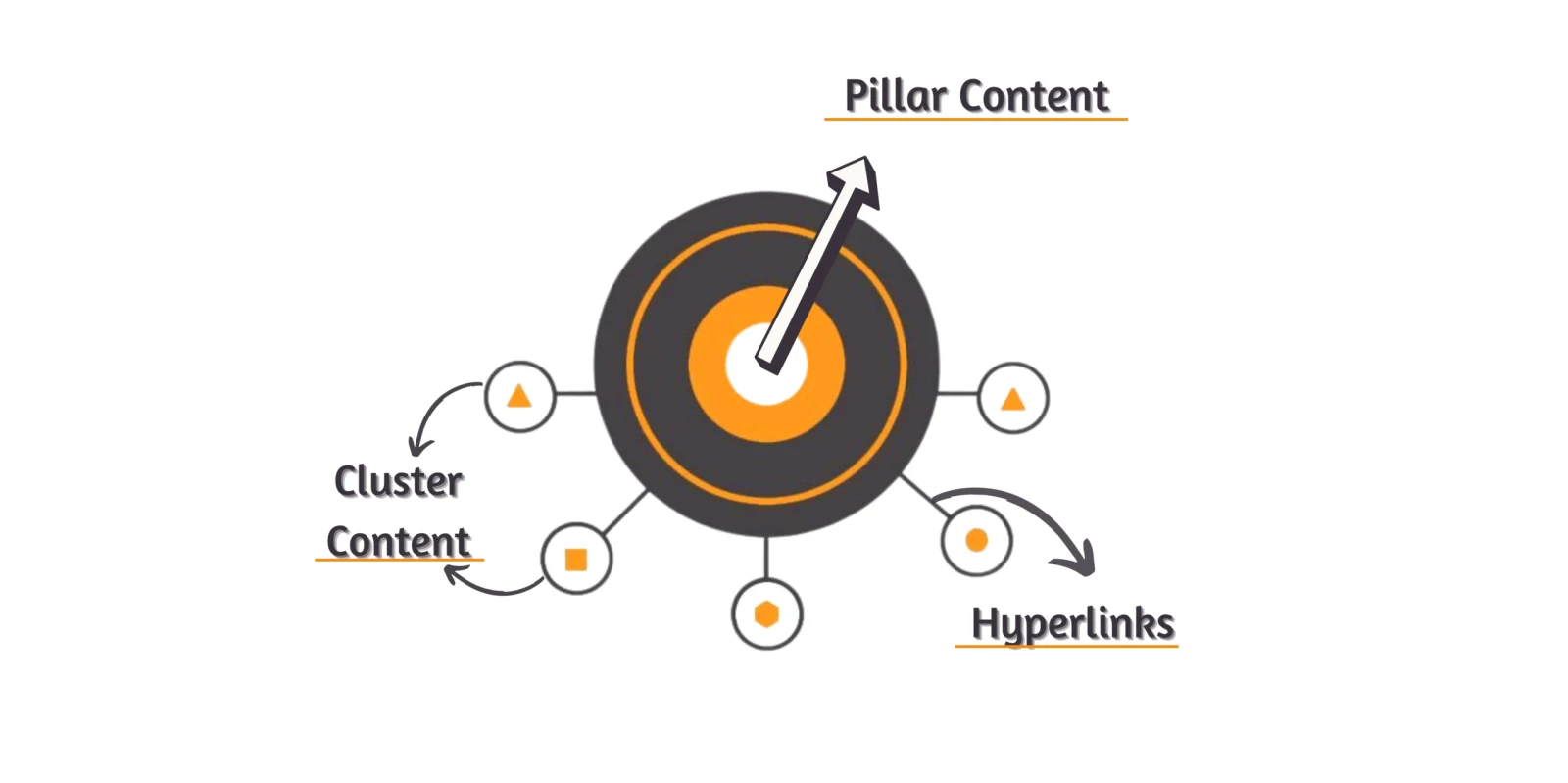
You invested weeks building the perfect pillar page. It's comprehensive, well-structured, and covers your topic exhaustively. You created supporting cluster content, implemented internal linking, and did everything the content strategists recommend. Yet your competitors' simpler pages still outrank you.
This is one of the most frustrating experiences in content marketing. You followed the pillar content playbook, but the expected rankings never materialized. The harsh reality? Most pillar pages fail not because the concept is flawed, but because critical execution elements are missing or misunderstood.
In this comprehensive guide, I'll reveal exactly why your pillar content isn't ranking as expected and provide the specific fixes that transform underperforming pillars into ranking powerhouses. These aren't theoretical best practices they're the exact issues I've diagnosed and resolved for dozens of clients.
Understanding Pillar Pages and Topic Clusters
What Are Pillar Pages?
Pillar pages are comprehensive resources that broadly cover all aspects of a topic, serving as the foundation for related cluster content.
Pillar page characteristics:
- Comprehensive topic overview (typically 3,000-5,000+ words)
- Covers all major subtopics at high level
- Links to detailed cluster content for depth
- Serves as authoritative topic resource
- Targets broad, high-value keywords
- Functions as content hub
Cluster content characteristics:
- Deep dives into specific subtopics
- 1,500-2,500 words each
- Links back to pillar page
- Targets long-tail keywords
- Provides detailed, actionable information
- 10-20 pieces per pillar typically
Understanding SEO basics helps you implement effective pillar strategies.
The Pillar-Cluster Model Benefits
Why the model works (when done correctly):
Topical authority demonstration:
- Signals comprehensive expertise to Google
- Shows depth of knowledge across topic
- Builds semantic relevance
- Strengthens overall site authority
Internal linking power:
- Distributes authority strategically
- Creates clear site hierarchy
- Improves crawl efficiency
- Strengthens rankings across cluster
User experience:
- Provides content at different depth levels
- Helps users find specific information
- Logical navigation structure
- Satisfies various search intents
Keyword coverage:
- Captures broad head terms (pillar)
- Ranks for long-tail variations (cluster)
- Comprehensive keyword targeting
- Multiple entry points to topic
9 Reasons Your Pillar Content Isn't Outranking Competitors
Reason 1: Your Pillar Is Actually Too Broad or Too Narrow
The most common mistake: choosing the wrong scope for your pillar topic.
Too broad (can't establish authority):
Problem example:
- Pillar topic: "Digital Marketing"
- Why it fails: Topic too massive to cover comprehensively
- Competition: Competing against Wikipedia, major publishers
- Better approach: Narrow to "Email Marketing for E-commerce"
Too narrow (insufficient search volume):
Problem example:
- Pillar topic: "How to A/B Test Welcome Email Subject Lines"
- Why it fails: Too specific for pillar content
- Better use: This should be cluster content, not pillar
- Better pillar: "Email Marketing Optimization Strategies"
Finding the right scope:
Good pillar topic characteristics:
- Substantial monthly search volume (500-5,000+)
- Requires comprehensive explanation
- Has 10-20+ subtopics to cover
- Achievable keyword difficulty for your authority
- Business-relevant topic
- Clear user need
Scope assessment framework:
| Too Narrow | Right Size | Too Broad |
| 1-3 subtopics | 10-20 subtopics | 50+ subtopics |
| <100 searches/mo | 500-5,000/mo | Competing with Wikipedia |
| Better as cluster | Perfect for pillar | Split into multiple pillars |
Reason 2: Weak or Missing Cluster Content
A pillar without supporting cluster content is just a long blog post not a pillar strategy.
Common cluster content problems:
Insufficient cluster pieces:
- You have: 3-4 cluster articles
- Competitors have: 15-20 comprehensive pieces
- Impact: You're not demonstrating topical authority
Low-quality cluster content:
- Thin content (under 1,000 words)
- Surface-level coverage
- Generic information
- No unique insights
- Weak optimization
Missing strategic subtopics:
- Covering obvious topics
- Ignoring emerging subtopics
- Missing high-value long-tail keywords
- Gaps in comprehensive coverage
Poor cluster-to-pillar ratio:
- Ideal: 10-20 cluster pieces per pillar
- Minimum: 8-10 pieces
- Red flag: Fewer than 5 pieces
Solution: Create comprehensive cluster content covering every major subtopic. Each piece should provide deep, actionable value while linking back to pillar.
Quality content writing is essential for both pillar and cluster content.
Reason 3: Internal Linking Structure Is Broken or Weak
The pillar-cluster model depends on strategic internal linking. Weak linking undermines the entire strategy.
Internal linking mistakes:
One-way linking only:
- ❌ Pillar links to clusters only
- ❌ Clusters don't link back to pillar
- ✅ Bidirectional linking required
- ✅ Creates clear hierarchy and authority flow
Missing cluster-to-cluster links:
- Clusters should link to related clusters
- Creates comprehensive topic web
- Strengthens topical relevance
- Improves user navigation
Generic anchor text:
- ❌ "Click here" or "Read more"
- ❌ "This article"
- ✅ Descriptive, keyword-rich anchors
- ✅ "email marketing automation strategies"
Inconsistent linking:
- Some clusters link to pillar, others don't
- Random internal linking patterns
- No clear hierarchy
- Confusing site structure
Optimal internal linking structure:
Pillar page:
- Links to all 10-20 cluster pieces
- Uses descriptive anchor text
- Links positioned contextually in content
- Clear navigation to cluster content
Cluster content:
- Links back to pillar (prominently)
- Links to 2-4 related cluster pieces
- Uses relevant anchor text
- Reinforces topical relationship
Target:
- Each cluster: 3-5 internal links (pillar + related clusters)
- Pillar: 10-20 internal links (to all clusters)
Learn about website architecture impact on rankings.
Reason 4: Pillar Content Lacks Depth Despite Length
Word count doesn't equal comprehensiveness. Many long pillar pages lack actual depth.
Signs your pillar lacks real depth:
Surface-level coverage:
- Mentions subtopics but doesn't explain them
- Lists items without useful detail
- Generic advice anyone could give
- No unique insights or perspectives
Padding without value:
- Repetitive content
- Unnecessary fluff
- Obvious statements
- Filler to hit word count
Missing critical elements:
- No practical examples
- No case studies or data
- No actionable takeaways
- No visual content
- Missing FAQs or common questions
How to add genuine depth:
Include specific examples:
- Real-world applications
- Step-by-step processes
- Case study data
- Before/after comparisons
Provide frameworks:
- Decision matrices
- Evaluation criteria
- Implementation checklists
- Strategic models
Add original research:
- Industry surveys
- Data analysis
- Expert interviews
- Original insights
Visual depth:
- Custom diagrams
- Process flowcharts
- Comparison tables
- Data visualizations
Reason 5: Your Pillar Doesn't Match Search Intent
Even perfect pillars fail if they don't deliver what users actually want.
Intent mismatches:
User wants: Quick comparison
- Your pillar: 5,000-word history and explanation
- Better approach: Lead with comparison table, expand below
User wants: Specific how-to
- Your pillar: Broad overview of entire topic
- Better approach: Provide clear navigation to specific guides
User wants: Decision criteria
- Your pillar: Feature lists without guidance
- Better approach: Include decision frameworks and recommendations
Matching intent in pillar content:
Analyze top-ranking pages:
- What format do they use?
- What depth do they provide?
- How is content structured?
- What questions do they answer first?
Structure for multiple intents:
- Quick answer/summary at top
- Detailed explanation below
- Navigation to specific topics
- Multiple entry points
Provide clear pathways:
- Table of contents
- Jump links to sections
- Cluster content navigation
- Clear next steps
Reason 6: Insufficient Backlinks to Pillar Page
Pillars targeting competitive keywords need page-specific backlink support.
Backlink reality check:
Your pillar:
- 2-3 backlinks
- Low domain authority sites
- Generic or no anchor text
Competitor pillar:
- 25-50+ backlinks
- Mix of high and medium authority
- Relevant, keyword-rich anchors
Building pillar-specific backlinks:
Create link-worthy assets within pillar:
- Original research and data
- Comprehensive comparison tables
- Downloadable resources
- Interactive tools
- Unique frameworks
Promote strategically:
- Outreach to industry sites
- Guest posting with mentions
- Resource page inclusion
- Industry newsletter features
- Social media amplification
Link building priorities:
- Focus best links on pillar page
- Earn some links to cluster content too
- Build relevant, topical links
- Maintain natural link velocity
Strategic backlink building accelerates pillar performance.
Reason 7: Technical SEO Issues Undermining Performance
Perfect content structure can't overcome technical problems.
Common technical issues:
Page speed problems:
- Pillar pages often heavy (lots of content/images)
- Target: Under 3 seconds load time
- Compress all images aggressively
- Implement lazy loading
- Minimize code bloat
Poor mobile experience:
- Long pages hard to navigate on mobile
- Table of contents essential
- Jump links critical
- Smooth scrolling required
- Touch-friendly navigation
Missing or poor schema:
- No Article schema
- Missing FAQ schema
- No Breadcrumb markup
- Lost rich result opportunities
Weak Core Web Vitals:
- LCP (Largest Contentful Paint) too slow
- CLS (Cumulative Layout Shift) from images
- INP (Interaction to Next Paint) delays
- Mobile performance poor
Use comprehensive technical SEO checklist for systematic optimization.
Reason 8: E-E-A-T Signals Are Weak or Missing
Pillar content targeting broad topics requires strong expertise demonstrations.
E-E-A-T gaps in pillar content:
No clear authorship:
- Generic or missing author information
- No credentials displayed
- No expertise indicators
- Anonymous content
Lack of demonstrated experience:
- No personal insights
- No real-world examples
- No original photos/videos
- Generic stock content only
Missing trust signals:
- No authoritative sources cited
- No industry recognition
- No client testimonials
- No case studies
Weak site-wide authority:
- Thin about page
- No team information
- Missing contact details
- No industry participation
Building E-E-A-T in pillars:
Author credibility:
- Detailed author bio with credentials
- Industry certifications displayed
- Years of experience highlighted
- Portfolio or case studies linked
Experience demonstration:
- Personal stories and insights
- Lessons learned sections
- Behind-the-scenes details
- Original examples
Trust building:
- Cite authoritative sources
- Reference research and studies
- Include expert quotes
- Show industry recognition
Implement comprehensive E-E-A-T principles throughout pillar content.
Reason 9: No Promotion or Ongoing Optimization
Publishing a pillar and hoping it ranks is insufficient in competitive spaces.
Promotion gaps:
Launch promotion missing:
- No social media sharing
- No email announcement
- No outreach to industry sites
- No community engagement
Ongoing optimization neglected:
- Never updated after publish
- No performance monitoring
- No content refreshing
- Stale information accumulates
Link building ceased:
- Only promoted at launch
- No sustained outreach
- No relationship building
- Natural link decay
Effective pillar promotion:
Pre-launch (2 weeks before):
- Build email list anticipation
- Tease content on social media
- Prepare outreach list
- Line up initial shares
Launch week:
- Email announcement to list
- Social media campaign
- Submit to aggregators
- Initial outreach wave
Ongoing (monthly):
- Monitor performance metrics
- Refresh outdated information
- Add new cluster content
- Build additional links
- Re-promote with updates
Quarterly:
- Comprehensive content review
- Competitive gap analysis
- Major updates and expansions
- Strategic link building campaigns
The Pillar Content Success Framework
Phase 1: Strategic Topic Selection
Choose the right pillar topic:
Topic validation checklist:
- Substantial search volume (500-5,000+/month)
- 10-20 viable subtopics for clusters
- Achievable keyword difficulty
- Business relevance and value
- Clear target audience need
- Differentiable from competitors
Phase 2: Comprehensive Content Creation
Build the complete pillar:
Pillar page (3,000-5,000+ words):
- Overview of entire topic
- Coverage of all major aspects
- Links to all cluster content
- Visual navigation elements
- Strong E-E-A-T signals
Cluster content (10-20 pieces):
- Each 1,500-2,500 words
- Deep dive into specific subtopic
- Links back to pillar
- Links to related clusters
- Unique value and insights
Phase 3: Strategic Internal Linking
Create clear hierarchy:
Bidirectional linking:
- Pillar → all clusters
- Clusters → pillar
- Clusters → related clusters
Descriptive anchors:
- Keyword-rich but natural
- Clear indication of destination
- Varied anchor text
Logical structure:
- Clear topic hierarchy
- Easy navigation
- Related content grouped
Phase 4: Technical Excellence
Optimize performance:
- Page speed under 3 seconds
- Perfect mobile experience
- Core Web Vitals passing
- Comprehensive schema markup
- Clean URL structure
Phase 5: Authority Building
Build page-specific authority:
- Target 20-30 quality backlinks to pillar
- Earn 5-10 links per major cluster
- Focus on topical relevance
- Natural, editorial links
- Diverse link sources
Phase 6: Ongoing Optimization
Maintain and improve:
- Monthly performance reviews
- Quarterly content updates
- Annual major refreshes
- Continuous link building
- Competitive monitoring
Real-World Pillar Content Success Story
The Underperforming Pillar: "Complete Guide to Project Management" - 4,200 words, 6 cluster articles, ranking position 23.
Analysis revealed:
- Cluster content too thin (800-1,000 words each)
- Only 6 clusters vs. competitors' 15-20
- Weak internal linking (one-way only)
- No backlinks to pillar page
- Poor mobile experience
- Missing E-E-A-T signals
- No promotion beyond initial publish
The Transformation:
Expanded cluster content:
- Created 12 additional cluster pieces
- Expanded existing clusters to 2,000+ words
- Total: 18 comprehensive cluster articles
Fixed internal linking:
- Implemented bidirectional links throughout
- Added cluster-to-cluster connections
- Used keyword-rich anchor text
- Created clear hierarchy
Technical optimization:
- Improved page speed: 5.1s → 2.3s
- Enhanced mobile navigation
- Added table of contents with jump links
- Implemented Article and FAQ schema
Built authority:
- Earned 23 backlinks to pillar
- Acquired 14 links across cluster content
- All topically relevant sources
Added E-E-A-T:
- Detailed author bio (PMP certified, 12 years PM experience)
- Personal project examples throughout
- Case study data from real projects
- Industry tool certifications displayed
Promoted systematically:
- Email campaigns to subscribers
- LinkedIn promotion (PM groups)
- Guest posts on PM blogs
- Industry newsletter features
Results (6 Months):
- Position: 23 → 3
- Traffic: 147 → 2,341 monthly visits (1,492% increase)
- Pillar + clusters combined: 4,789 monthly visits
- 47 monthly qualified leads
- Featured snippet captured for "PM framework"
- Cluster content ranking for 67 long-tail keywords
Key success factors: Complete implementation of pillar-cluster model, not just partial execution.
This systematic approach is available through professional content writing services.
Pillar Content Audit Checklist
Evaluate your pillar performance:
Topic scope:
- Right breadth (10-20 subtopics)
- Achievable keyword difficulty
- Substantial search volume
- Business relevance
Cluster content:
- 10-20 supporting pieces
- Each 1,500-2,500 words
- High quality and depth
- Comprehensive coverage
Internal linking:
- Bidirectional links working
- Descriptive anchor text
- Cluster-to-cluster connections
- Clear hierarchy
Content quality:
- Genuine depth, not just length
- Practical examples included
- Unique insights provided
- Visual elements throughout
Technical:
- Fast page speed
- Excellent mobile experience
- Schema markup implemented
- No technical errors
Authority:
- 20+ backlinks to pillar
- Links to cluster content
- Topically relevant sources
E-E-A-T:
- Author credentials visible
- Experience demonstrated
- Authoritative sources cited
- Trust signals present
Promotion:
- Initial launch promotion
- Ongoing optimization
- Regular content updates
- Sustained link building
Why Professional Help Accelerates Pillar Success
Building effective pillar-cluster systems requires expertise across content strategy, SEO, technical optimization, and promotion. Professional assistance provides:
Expert advantages:
- Experience with successful pillar implementations
- Strategic topic selection guidance
- Comprehensive content planning
- Technical optimization expertise
- Established link building networks
- Systematic ongoing optimization
As an experienced specialist in SEO and content strategy, I help businesses build pillar-cluster systems that actually rank through proper scope selection, comprehensive execution, and strategic optimization.
Frequently Asked Questions
How long should a pillar page be?
Typically 3,000-5,000 words, but focus on comprehensiveness over length. Your pillar should cover all major subtopics at overview level while linking to cluster content for depth. If you can comprehensively cover your topic in 2,500 words, that's fine. If you need 6,000 words, that's also acceptable. Depth and value matter more than hitting specific word count.
How many cluster articles do I need?
Minimum 8-10, ideal 15-20 per pillar. This demonstrates topical authority and comprehensive coverage. However, quality beats quantity 10 excellent 2,000-word pieces outperform 20 thin 800-word articles. Focus on covering every major subtopic thoroughly rather than creating arbitrary numbers of clusters.
Should I publish all cluster content at once?
No. Better approach: publish pillar first with internal structure for planned clusters, then publish 2-3 clusters weekly over 2-3 months. This creates consistent content publication, allows for refinement based on performance, gives time for proper optimization, and builds topical authority gradually rather than overwhelming Google.
Can pillar pages work for new sites with low authority?
Yes, but choose carefully. Target lower-difficulty topics where you can actually compete. Focus on emerging subtopics before competition arrives. Build cluster content first to establish authority, then launch pillar. Be patient new sites need 6-12 months for pillar rankings typically.
How often should I update pillar content?
Quarterly reviews minimum for high-performing pillars. Add new information, update statistics, refresh examples, and add new cluster connections. Major refresh annually with comprehensive updates, new sections, expanded content, and strategic improvements. This prevents content decay and maintains competitive positioning.
Transform Your Pillar Content Today
Pillar pages aren't magic ranking solutions they're strategic content frameworks that require comprehensive, proper execution. Most underperforming pillars aren't flawed concepts but incomplete implementations.
If your pillar content isn't ranking as expected, systematically audit each element: topic scope, cluster quality and quantity, internal linking, content depth, technical performance, backlinks, E-E-A-T signals, and promotion efforts. Fix identified gaps methodically.
Struggling with underperforming pillar content? I offer comprehensive content writing and SEO services that include pillar-cluster strategy, implementation, and optimization. Whether you need complete pillar development or optimization of existing content, I can build systems that deliver rankings and traffic.
Schedule a free consultation to discuss your pillar content challenges and get expert analysis of improvement opportunities, or explore my service packages for comprehensive pillar-cluster solutions.
Don't let incomplete execution waste your pillar content investment implement the complete strategy today.
About the Author: Sadekur Rahman is an SEO and content specialist with extensive experience developing successful pillar-cluster content systems. With expertise in content strategy, topical authority building, and systematic optimization, Sadekur has helped numerous businesses achieve page-one rankings through properly executed pillar content. View case studies of pillar content successes or learn more about content services.

Written by Sadekur Rahman
SEO & Website Strategy Specialist at Pixelvega and SEO Executive at Daily Amar Desh. 6+ years helping brands grow with data-driven SEO.