How Social Media Platforms Boost Your SEO in 2025
Explore how social media can enhance your SEO efforts in 2025. Learn strategies to drive traffic, build backlinks, and increase brand visibility.

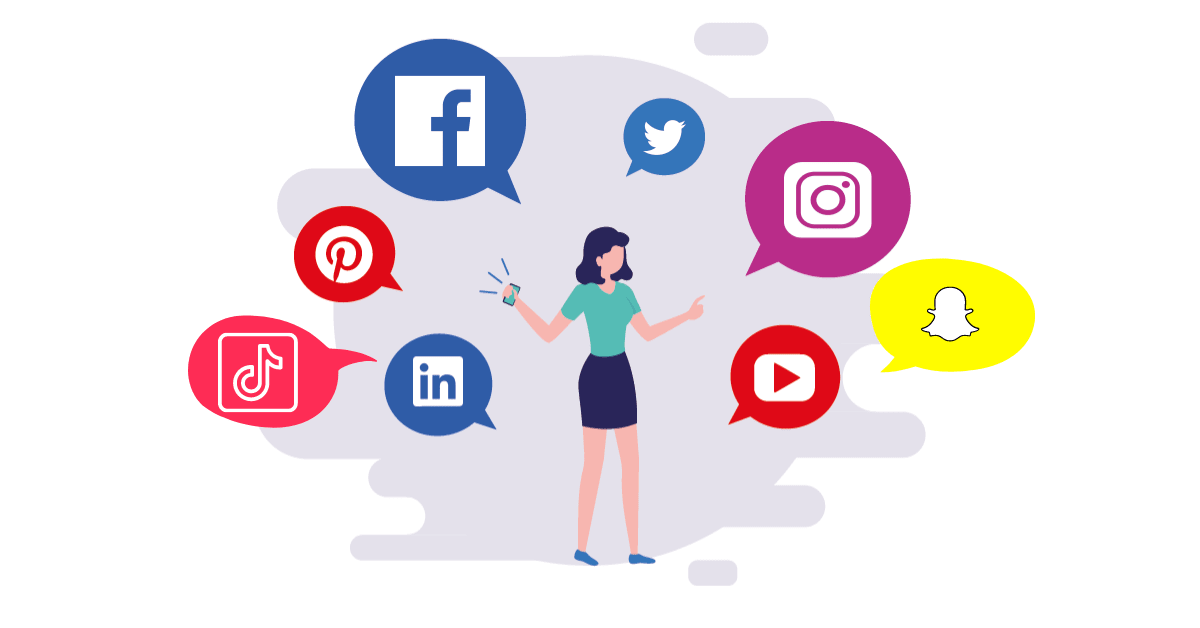
In the ever-evolving world of digital marketing, businesses are constantly seeking ways to improve their online visibility and attract more organic traffic. Search engine optimization (SEO) and social media marketing are two powerful strategies that, when combined, can significantly amplify your online presence. While SEO focuses on optimizing your website to rank higher on search engines like Google, social media platforms such as Facebook, Instagram, LinkedIn, and Twitter provide opportunities to engage with audiences, promote content, and drive traffic.
Although social media does not directly influence SEO rankings, its indirect benefits are substantial. From increasing website traffic to fostering backlinks and enhancing brand awareness, social media can play a pivotal role in your SEO strategy. This comprehensive guide explores how social media platforms can boost your SEO efforts in 2025, offering actionable strategies, platform comparisons, and insights into how Sadekur Rahman can help you achieve your digital marketing goals.
The Indirect Relationship Between Social Media and SEO
Social media’s impact on SEO is indirect but powerful. Google has consistently stated that social signals—such as likes, shares, and comments—are not direct ranking factors (Google Search Central). However, social media activities can influence metrics that search engines consider, such as website traffic, dwell time, and backlinks.
Research supports this correlation. A study by Cognitive SEO found that websites with a strong social media presence tend to rank higher in search results (Cognitive SEO). Similarly, Hootsuite’s research revealed that articles with high social shares often experience a 22% boost in search rankings (Hootsuite). While these studies show correlation rather than causation, the indirect benefits of social media on SEO are undeniable.
Why Indirect Benefits Matter
- Traffic and Engagement: Social media drives visitors to your website, improving metrics like bounce rate and dwell time, which search engines use to assess content quality.
- Backlink Opportunities: Engaging content shared on social media can attract links from other websites, boosting your site’s authority.
- Brand Visibility: Optimized social profiles often appear in branded search results, reinforcing your brand’s credibility and encouraging more searches for your business.
Benefits of Using Social Media for SEO
Social media platforms offer several advantages that can enhance your SEO efforts in 2025:
- Broaden Content Reach: Social media allows you to share blog posts, videos, and infographics with a wider audience, increasing the likelihood of shares and engagement.
- Grow Website Traffic: Promoting content on social media drives targeted traffic to your website, signaling to search engines that your site is relevant and valuable.
- Improve Backlink Profile: High-quality content shared on social media can attract backlinks from authoritative websites, a key factor in SEO rankings.
- Increase Brand Awareness: A strong social media presence makes your brand more recognizable, leading to more branded searches, which can positively influence SEO.
- Enhance SEO Content Plan: Analyzing social media performance helps identify topics and formats that resonate with your audience, informing your SEO content strategy.
- Expand Local Search Visibility: For local businesses, optimized social profiles, such as Google Business Profile, can improve visibility in local search results.
Strategies to Leverage Social Media for SEO
To maximize the SEO benefits of social media, implement these actionable strategies:
1. Publish Relevant and Readable Content
Create content that is both SEO-friendly and engaging for social media users. Use tools like Smash Balloon’s plugins to embed social feeds on your website, keeping it dynamic and relevant. For example, embedding a Facebook feed can display real-time updates, encouraging visitors to explore more of your site (Smash Balloon).
2. Increase Dwell Time with Engaging Media
Dwell time, the amount of time visitors spend on your site, is a key SEO metric. Incorporate videos from platforms like YouTube or TikTok to keep users engaged longer. Wistia reports that videos can increase dwell time by up to 260% (Wistia). Use plugins like YouTube Feed Pro or TikTok Feed Pro to seamlessly integrate videos into your website.
3. Promote Content Across Multiple Platforms
Share your content on multiple social media platforms to maximize reach. For instance, posting a blog link on both Facebook and Twitter exposes it to diverse audiences, increasing the chances of shares and backlinks. Use scheduling tools like Metricool to post at optimal times based on audience activity (Metricool).
4. Optimize Social Media Profiles
Ensure your social media profiles are fully optimized with relevant keywords, a clear bio, and links to your website. Consistent branding across platforms builds trust and improves visibility in branded search results. For example, a digital marketing agency might include terms like “SEO services” or “social media strategy” in their LinkedIn bio.
5. Use Social Media for Link Building
Promote high-quality content, such as in-depth guides or research, on social media to attract backlinks. Sharing unique content with influencers or industry leaders can encourage them to link to your site, boosting your SEO authority.
6. Leverage Paid Social Media Ads
Social media ads can amplify your content’s reach, driving targeted traffic to your website. While ads don’t directly impact SEO, the increased traffic and engagement can improve metrics like bounce rate and click-through rate, which search engines value.
Best Social Media Platforms for SEO
Different platforms offer unique opportunities for enhancing SEO. Here’s a comparison of the top platforms for 2025:
| Platform | Best For | Key SEO Features |
| Broad audience engagement | Groups, Pages, Ads | |
| B2B marketing, thought leadership | Company Pages, Articles, Groups | |
| Visual content, younger demographics | Stories, Reels, Hashtags | |
| Real-time updates, quick engagement | Tweets, Retweets, Hashtags |
Platform-Specific Strategies
- Facebook: Use Groups to engage niche audiences and share blog posts to drive traffic.
- LinkedIn: Publish long-form articles to establish thought leadership and include links to your website.
- Instagram: Leverage Reels and Stories with hashtags to increase discoverability.
- Twitter: Share quick updates and engage in trending conversations to boost visibility.
Choose platforms that align with your target audience and business goals. For example, B2B businesses may prioritize LinkedIn, while B2C brands might focus on Instagram.
Real-World Examples of Social Media Boosting SEO
Social media has proven effective in enhancing SEO for many businesses:
- E-commerce Success: An online retailer used Instagram Reels to promote product guides, driving a 30% increase in website traffic and earning backlinks from lifestyle blogs.
- Local Business Growth: A bakery optimized its Google Business Profile and shared customer reviews on Facebook, improving its local search ranking for “gluten-free bakery near me.”
- Content Amplification: A tech company shared a research report on LinkedIn, attracting backlinks from industry publications and boosting its domain authority.
These examples highlight the power of integrating social media with SEO. Explore our case studies to see how we’ve helped businesses achieve similar results.
Why Choose Sadekur Rahman for Your SEO Needs?
At Sadekur Rahman, we specialize in combining SEO and social media strategies to maximize your online visibility. Our services include:
- Comprehensive SEO Audits: Identify and resolve issues like technical errors or duplicate content to improve rankings.
- Content Optimization: Create keyword-rich, engaging content that performs well on both search engines and social media.
- Social Media Management: Develop and execute strategies to engage your audience and drive traffic.
- Customized Plans: Tailored solutions to meet your unique business goals.
Ready to boost your SEO with social media? Book a meeting or explore our plans and pricing to get started. Contact us at sadekurrahman.com/contact/ for a personalized consultation.
Frequently Asked Questions (FAQ)
Does social media directly affect SEO rankings?
No, social media does not directly influence SEO rankings, as Google does not use social signals as ranking factors. However, it indirectly boosts SEO by driving traffic, improving engagement metrics, and fostering backlinks.
Which social media platforms are best for SEO?
The best platforms depend on your audience and business type. Facebook, LinkedIn, Instagram, and Twitter are generally effective, with LinkedIn ideal for B2B and Instagram for visual B2C content.
How can social media improve local SEO?
Optimize social profiles with local keywords, consistent NAP (Name, Address, Phone) data, and engage with local audiences through reviews and posts to enhance local search visibility.
Can social media analytics inform SEO content creation?
Yes, analyzing top-performing social posts can reveal audience preferences, helping you create SEO content that aligns with user intent and drives engagement.
Conclusion
Social media platforms are powerful allies in your SEO strategy, offering indirect benefits that can significantly enhance your website’s performance. By driving traffic, fostering backlinks, and increasing brand visibility, social media complements SEO efforts in 2025. With strategic optimization and expert guidance from Sadekur Rahman, you can unlock the full potential of social media to boost your search rankings and grow your business. Contact us today to start optimizing your digital presence!

Written by Sadekur Rahman
SEO & Website Strategy Specialist at Pixelvega and SEO Executive at Daily Amar Desh. 6+ years helping brands grow with data-driven SEO.