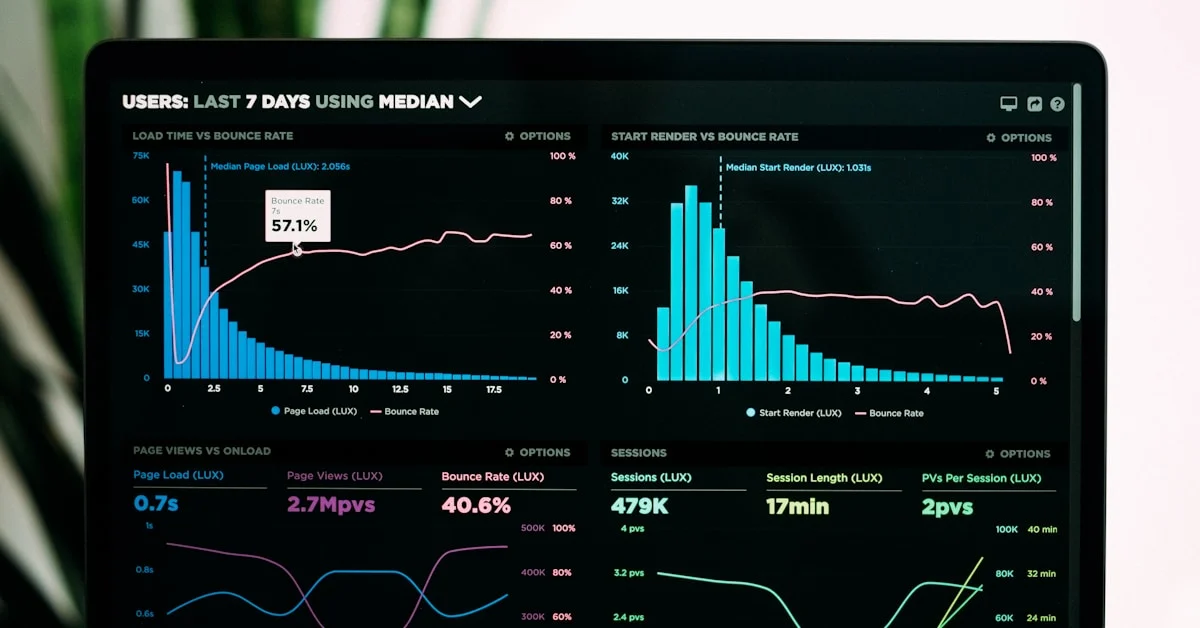
How to Create an SEO Report for Clients
Learn how to create a comprehensive SEO report for your clients in 2025. Includes key components, tools, best practices, and actionable insights to showcase your SEO efforts effectively.

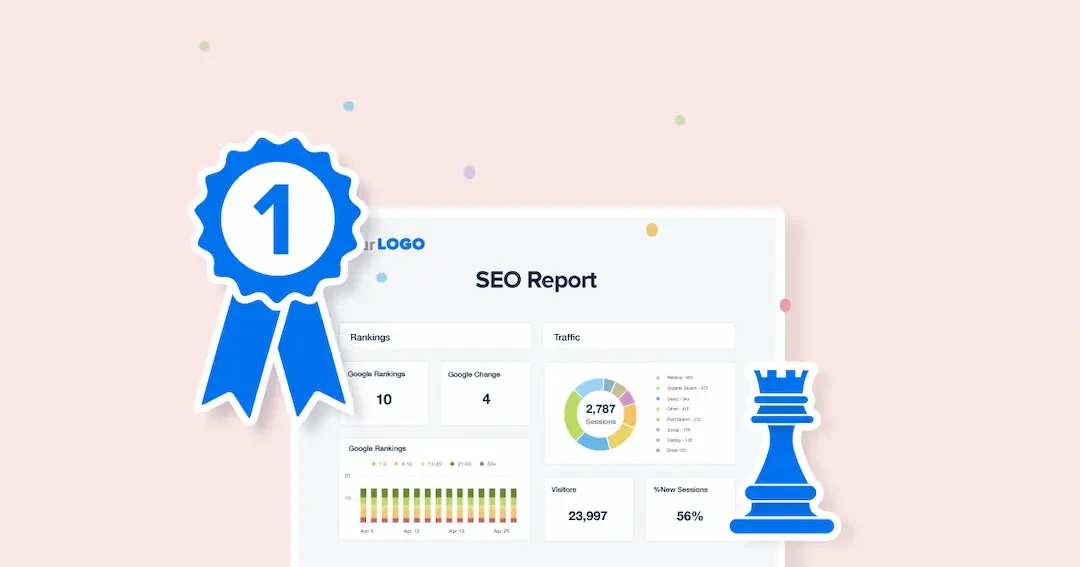
In the dynamic landscape of digital marketing, Search Engine Optimization (SEO) remains a vital strategy for businesses seeking to boost their online visibility. As an SEO specialist, your ability to communicate the effectiveness of your strategies is just as important as the strategies themselves. This is where a well-crafted SEO report comes into play.
An SEO report is more than a collection of data; it’s a tool to showcase your efforts, align with client goals, and plan for future success. By presenting clear, actionable insights, you can build trust and demonstrate the value of your work. In this comprehensive guide, we’ll explore the key components of an SEO report, the best tools to use, and proven practices to make your reports stand out in 2025.
Ready to elevate your SEO reporting? Book a meeting with us to discuss how we can help your clients achieve their digital goals.
What Is an SEO Report?
An SEO report is a document that outlines a website’s performance in search engine results, highlighting key metrics such as organic traffic, keyword rankings, backlinks, and conversions. It helps clients understand the impact of SEO efforts and provides insights for improvement. By presenting data clearly, it builds trust and demonstrates the value of your work.
Why Are SEO Reports Important?
SEO reports bridge the gap between technical SEO work and client understanding. They show how strategies translate into results, such as increased traffic or sales, and help set expectations for future campaigns. Regular reporting fosters transparency and strengthens client relationships.
How to Create an Effective SEO Report
To create a report that resonates, include essential components like an executive summary, traffic data, and recommendations. Use tools to gather accurate data, present it with visuals, and tailor it to your client’s goals. Automation can streamline the process, ensuring timely and professional delivery.
Key Components of an SEO Report
A comprehensive SEO report should include the following elements to provide a clear picture of performance and guide future actions:
1. Executive Summary
The executive summary offers a high-level overview of the report’s findings. It should highlight key achievements, such as a 20% increase in organic traffic or improved rankings for target keywords. Keep it concise to grab your client’s attention.
2. Traffic Summary
Detail the volume, quality, and sources of website traffic. Break down organic, referral, direct, and paid traffic to show how SEO contributes to overall performance. For example, you might note that organic traffic accounts for 60% of total visits.
3. Keyword Rankings
List the keywords the site ranks for, including their average position and changes over time. Highlight keywords in the top 3, 5, or 10 positions, as these drive the most visibility. Include metrics like search visibility or click-through rates (CTR).
4. Conversions
Track how traffic translates into business outcomes, such as sales, form submissions, or newsletter sign-ups. Use conversion rates and goal completions to show ROI. For instance, a 5% conversion rate on organic traffic indicates strong performance.
5. Backlinks
Report on the number and quality of backlinks pointing to the site. Focus on high-authority links and note any new or lost backlinks. Tools like Ahrefs can provide detailed backlink profiles.
6. Content Analysis
Analyze which content pieces drive traffic or conversions. For example, a blog post ranking for “best SEO tools” might generate 1,000 monthly visits. Identify top-performing content and suggest improvements for underperforming pages.
7. Technical SEO
Assess the site’s technical health, including site speed, mobile responsiveness, and issues like 404 errors or broken links. A site health score from tools like SE Ranking can summarize technical performance.
8. Recommended Actions
Provide actionable recommendations based on the data. For example, if keyword rankings dropped, suggest optimizing content or building new backlinks. This shows your proactive approach and commitment to results.
Tools for Creating SEO Reports
Gathering accurate data is crucial for effective reporting. Here are some top tools to streamline the process:
- Google Search Console (GSC): Tracks keyword rankings, impressions, and CTR. It’s free and integrates with other Google tools.
- Google Analytics 4 (GA4): Provides detailed traffic and conversion data, including user behavior and engagement metrics.
- Semrush: Offers tools for keyword research, backlink analysis, and site audits. Its My Reports feature automates report creation (Semrush).
- Ahrefs: Excels in backlink analysis and keyword tracking, ideal for detailed link profiles.
- SE Ranking: Includes keyword tracking, backlink monitoring, and a report builder for professional reports (SE Ranking).
- Moz: Provides tools for link building, keyword research, and site auditing, with customizable reports.
Comparison of SEO Tools
| Tool | Keyword Research | Backlink Analysis | Site Auditing | Reporting Features |
| Semrush | Excellent | Excellent | Excellent | Excellent |
| Ahrefs | Excellent | Excellent | Good | Good |
| SE Ranking | Good | Good | Good | Excellent |
| Moz | Good | Excellent | Good | Good |
| Google GSC | Basic | Basic | Basic | Basic |
| Google GA4 | Basic | Basic | Basic | Basic |
Want to see how we leverage these tools to drive results? Explore our case studies.
Best Practices for SEO Reporting
To ensure your reports are effective and client-friendly, follow these best practices:
- Set Clear Goals: Align metrics with client objectives, such as increasing leads or improving rankings.
- Use Data Visualizations: Include charts and graphs to make data digestible. For example, a line graph showing traffic growth is more impactful than raw numbers.
- Provide Context: Explain why metrics matter. If traffic dropped, note external factors like algorithm updates and propose solutions.
- Highlight Key Insights: Use callouts to emphasize significant wins, like a 15% increase in conversions.
- Avoid Jargon: Use simple language to ensure accessibility for non-SEO-savvy clients.
- Be Consistent: Use the same metrics and format for each report to track progress easily.
- Offer Actionable Recommendations: Suggest specific steps, like optimizing meta tags or targeting new keywords.
- Review and Revise: Seek client feedback to improve future reports.
Ready to implement these best practices? Let’s discuss how we can enhance your reporting process. Contact us.
How to Present Your SEO Report
Presentation is key to making your report engaging and professional. Here are some tips:
- Clean Layout: Use a consistent, branded template for a polished look.
- Visuals: Incorporate charts, such as a bar chart comparing keyword rankings or a pie chart showing traffic sources.
- Highlight Metrics: Use bold text or boxes to draw attention to key data, like a 10% traffic increase.
- Explain Data: Provide clear explanations for each metric to avoid confusion.
- Tailor to Clients: Focus on metrics that align with their goals, such as conversions for e-commerce clients.
- Summary First: Start with a brief overview to set the stage.
- Actionable Close: End with clear next steps to show your forward-thinking approach.
Automating Your SEO Reports
Automation saves time and ensures consistency. Tools like Semrush My Reports, AgencyAnalytics, and SE Ranking’s Report Builder allow you to schedule reports for daily, weekly, or monthly delivery. Automated dashboards, such as those in Google Looker Studio, provide real-time updates and professional visuals (AgencyAnalytics).
Automation reduces manual work, letting you focus on strategy and client communication. For example, SE Ranking’s templates can generate a report in 10-20 minutes, compared to 3-5 hours manually.
Common Mistakes to Avoid in SEO Reporting
Avoid these pitfalls to ensure your reports are effective:
- Overloading with Data: Focus on key metrics to avoid overwhelming clients.
- Lack of Context: Always explain what numbers mean and why they matter.
- Inconsistent Reporting: Stick to a consistent format for easy comparison.
- Ignoring Negative Trends: Address declines transparently and propose solutions.
- Poor Design: Use professional templates to enhance credibility.
- Not Tailoring to Clients: Customize reports to reflect client priorities.
- Failing to Set Expectations: Clarify the report’s purpose and how to interpret it.
Sample SEO Metrics Table
Here’s an example of how to present key metrics in a report:
| Metric | January 2025 | February 2025 | Change |
| Organic Traffic | 10,000 | 12,000 | +20% |
| Keyword Rankings (Top 10) | 50 | 60 | +10 keywords |
| Conversion Rate | 4% | 5% | +1% |
| Backlinks | 200 | 220 | +20 |
| Site Health Score | 85% | 90% | +5% |
This table provides a clear snapshot of progress, making it easy for clients to understand key changes.
Why Choose Sadekur Rahman?
As an experienced SEO specialist, I help businesses like yours achieve measurable results through tailored strategies and clear reporting. My approach focuses on transparency, actionable insights, and aligning SEO with your business goals. Whether you need a one-time audit or ongoing optimization, I’m here to help.
Explore our SEO services or check out our plans and pricing to find the right solution for your clients.
FAQ Section
1. What is an SEO report?
An SEO report is a document that summarizes a website’s search engine performance, including organic traffic, keyword rankings, backlinks, and conversions.
2. Why is an SEO report important?
It helps clients understand the impact of SEO efforts, builds trust through transparency, and guides future strategies to improve results.
3. How often should I send an SEO report to my clients?
Monthly reports are standard, showing month-over-month progress. Weekly or quarterly reports may suit specific campaigns or client preferences.
4. What tools do I need to create an SEO report?
Use tools like Google Search Console, Google Analytics, Semrush, Ahrefs, or SE Ranking for data collection and report generation.
Conclusion
Creating an effective SEO report is essential for demonstrating your value as an SEO specialist and fostering strong client relationships. By including key components, leveraging the right tools, and following best practices, you can deliver reports that inform, engage, and drive action. Avoid common mistakes and tailor each report to your client’s needs to ensure maximum impact.
Ready to transform your SEO reporting and boost your clients’ online presence? Book a meeting with us or explore our case studies to see how we’ve helped businesses succeed. Let’s work together to achieve your clients’ digital marketing goals.

Written by Sadekur Rahman
SEO & Website Strategy Specialist at Pixelvega and SEO Executive at Daily Amar Desh. 6+ years helping brands grow with data-driven SEO.