The Complete Guide to Mastering SEO in 2025: Strategies for Success
Master SEO in 2025 with this guide on strategies, tools, and trends. Learn what SEO is, its meaning, and how to boost rankings. Start optimizing now!

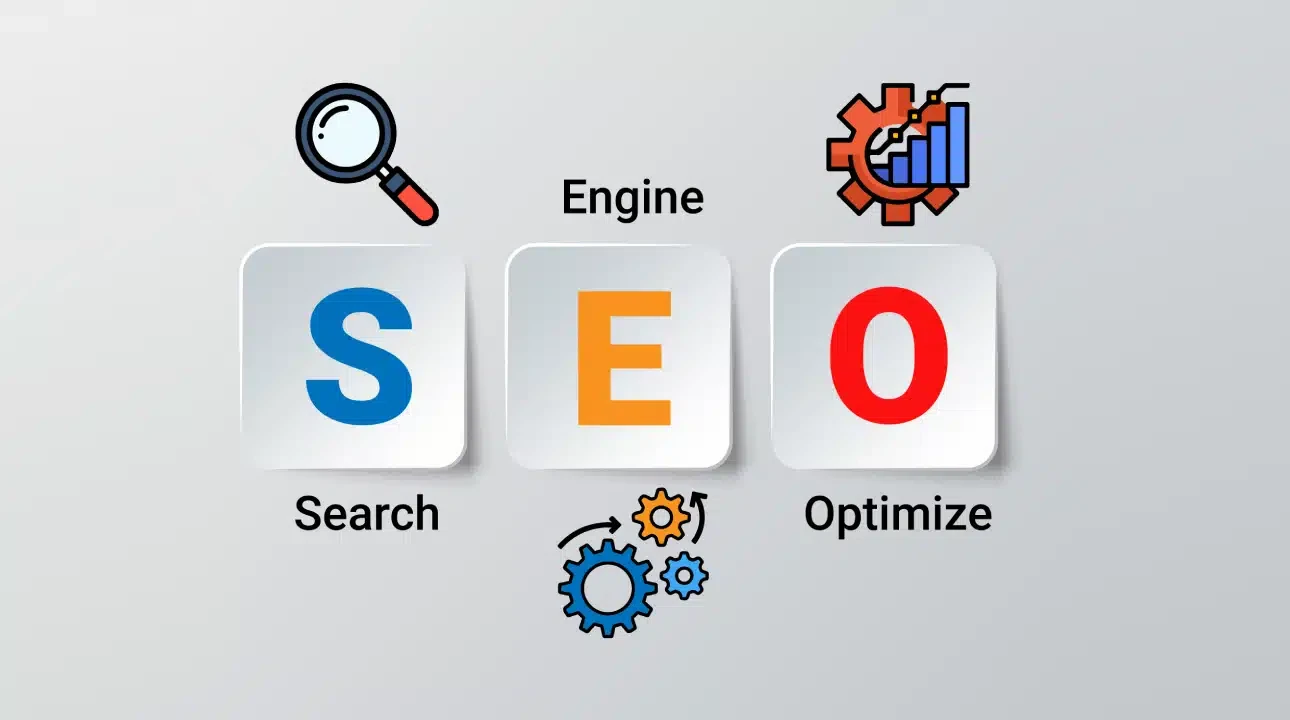
Search Engine Optimization (SEO) remains a cornerstone of digital success, driving organic traffic and enhancing online visibility. As an SEO specialist, I'm Mr. Sadekur. I have helped businesses skyrocket their search engine rankings by adapting to evolving algorithms and user behaviors. In 2025, SEO is more dynamic than ever, with advancements in AI, voice search, and user experience shaping the landscape.
This comprehensive guide will answer “What is SEO?” and explore its meaning, importance, and actionable strategies to master SEO in 2025. Whether you’re a beginner or a seasoned marketer, you’ll find expert tips, tools, and techniques to optimize your website, rank for keywords like “SEO” and “SEO meaning,” and convert visitors into customers.
What Is SEO? Understanding Its Meaning and Importance
SEO, or Search Engine Optimization, is the process of optimizing a website to rank higher on search engine results pages (SERPs) like Google, Bing, or Yahoo. By aligning content with user intent and search engine algorithms, SEO increases organic traffic, enhances brand visibility, and drives conversions.
Why SEO Matters in 2025
- Increased Competition: With millions of websites vying for attention, SEO ensures your site stands out.
- Evolving Algorithms: Google’s updates (e.g., AI-driven BERT and MUM) prioritize user experience and relevance.
- User Behavior Shifts: Voice search, mobile-first indexing, and zero-click searches demand adaptive strategies.
- Cost-Effective Marketing: SEO delivers long-term results compared to paid ads.
Core Components of SEO
- On-Page SEO: Optimizing content, meta tags, and keywords.
- Off-Page SEO: Building backlinks and brand authority.
- Technical SEO: Improving site speed, mobile-friendliness, and crawlability.
- Content SEO: Creating valuable, user-focused content.
Key SEO Trends to Watch in 2025
Staying ahead in SEO requires adapting to emerging trends. Here’s what’s shaping the industry in 2025:
AI and Machine Learning
AI tools like Google’s RankBrain and MUM analyze user intent and context. Optimize for semantic search by:
- Using natural language and related keywords (e.g., “what is SEO” and “SEO meaning”).
- Creating comprehensive content that answers multiple user queries.
Voice Search Optimization
With devices like Alexa and Google Assistant, voice search is booming. Optimize by:
- Targeting conversational, long-tail keywords (e.g., “how does SEO work in 2025?”).
- Using structured data to enhance visibility in voice search results.
Mobile-First Indexing
Google prioritizes mobile-friendly websites. Ensure your site is:
- Responsive and fast-loading on mobile devices.
- Optimized for Core Web Vitals (e.g., LCP, FID, CLS).
E-E-A-T (Experience, Expertise, Authoritativeness, Trustworthiness)
Google emphasizes E-E-A-T for ranking high-quality content. Build trust by:
- Showcasing author credentials (e.g., my expertise as an SEO specialist).
- Earning backlinks from reputable sites like Moz or Search Engine Journal.
Step-by-Step Guide to Mastering SEO in 2025
Here’s a practical roadmap to optimize your website for SEO success:
Step 1: Conduct Keyword Research
- Use tools like Ahrefs, SEMrush, or Google Keyword Planner to identify high-value keywords.
- Target long-tail keywords (e.g., “SEO strategies for 2025”) with lower competition.
- Analyze competitors to find keyword gaps.
Step 2: Optimize On-Page Elements
- Title Tags: Include primary keywords and keep under 60 characters.
- Meta Descriptions: Write compelling descriptions (150–160 characters) to boost click-through rates.
- Headings: Use H1 for the main title and H2/H3 for subheadings.
- Content: Incorporate keywords naturally and answer user intent.
Step 3: Enhance Technical SEO
- Improve site speed using tools like Google PageSpeed Insights.
- Ensure mobile-friendliness with responsive design.
- Fix broken links and optimize XML sitemaps.
- Implement HTTPS for security.
Step 4: Build High-Quality Content
- Create in-depth, user-focused content (e.g., guides, case studies).
- Use internal links to relevant pages like my services or case studies.
- Include visuals (e.g., infographics, videos) to boost engagement.
Step 5: Earn Backlinks
- Guest post on authoritative blogs in your niche.
- Create shareable content like infographics or research reports.
- Use tools like Moz Link Explorer to monitor backlink quality.
Step 6: Monitor and Analyze Performance
- Track rankings and traffic with Google Analytics and Search Console.
- Adjust strategies based on performance data.
Need help implementing these strategies? Book a meeting to discuss your SEO goals.
Comparison of Top SEO Tools for 2025
Choosing the right tools is critical for SEO success. Here’s a comparison of popular SEO tools:
| Tool | Key Features | Best For | Pricing |
| Ahrefs | Keyword research, backlink analysis, site audit | Advanced SEO, competitor analysis | $99–$999/mo |
| SEMrush | All-in-one SEO, content marketing, PPC | Agencies, large businesses | $129–$499/mo |
| Moz Pro | Keyword tracking, link building, local SEO | Beginners, small businesses | $99–$599/mo |
| Google Search Console | Free performance tracking, indexing issues | All website owners | Free |
Pro Tip: Start with free tools like Google Search Console, then scale to paid tools as your SEO needs grow. Explore my plans and pricing for professional SEO support.
Best Practices for SEO Success in 2025
To stay ahead, follow these proven SEO best practices:
- Focus on User Intent: Answer questions like “What is SEO?” directly and concisely.
- Optimize for Core Web Vitals: Prioritize fast loading, interactivity, and visual stability.
- Leverage AI Tools: Use AI-driven tools for content ideation and optimization.
- Build Topical Authority: Create content clusters around core topics (e.g., SEO basics, technical SEO).
- Stay Updated: Follow Google’s Search Central Blog for algorithm updates.
Common Questions About SEO
H3: What Is SEO in Simple Terms?
SEO is the practice of optimizing a website to rank higher on search engines, driving organic traffic through better visibility and user-focused content.
H3: Why Is SEO Important for Businesses?
SEO increases website visibility, attracts targeted traffic, and boosts conversions, offering a cost-effective way to compete in the digital market.
H3: How Long Does It Take to See SEO Results?
SEO results typically take 3–6 months, depending on competition, keyword difficulty, and the quality of optimization efforts.
FAQ: SEO in 2025
Q1: What does SEO stand for?
A: SEO stands for Search Engine Optimization, the process of improving a website’s visibility on search engines like Google.
Q2: How can I improve my SEO in 2025?
A: Focus on keyword research, high-quality content, technical optimization, and backlink building. Use tools like Ahrefs and optimize for mobile and voice search.
Q3: Is SEO still relevant in 2025?
A: Yes, SEO is critical as search engines continue to dominate how users find information, products, and services online.
Q4: Can I do SEO myself, or should I hire an expert?
A: DIY SEO is possible with the right tools and knowledge, but hiring an expert like me ensures faster, more effective results. Contact me for tailored solutions.
Take Control of Your SEO in 2025
Mastering SEO in 2025 requires a strategic blend of keyword research, high-quality content, technical optimization, and adaptability to trends like AI and voice search. By understanding “what is SEO” and its meaning, you can unlock your website’s potential to rank higher, attract targeted traffic, and convert visitors into customers.
Ready to elevate your SEO game? Explore my SEO services or book a meeting to discuss how I can help you dominate search rankings in 2025. Let’s grow your digital presence together!

Written by Sadekur Rahman
SEO & Website Strategy Specialist at Pixelvega and SEO Executive at Daily Amar Desh. 6+ years helping brands grow with data-driven SEO.