How to Spend a Productive Day in Ramadan
Ramadan is a very special time for Muslims all over the world. It’s a month when we fast from sunrise to sunset, avoiding food and water. But Ramadan is more than just fasting—it’s a time to grow closer to Allah, pray more, read the Quran, and become a better person. For many of us, though, it’s har

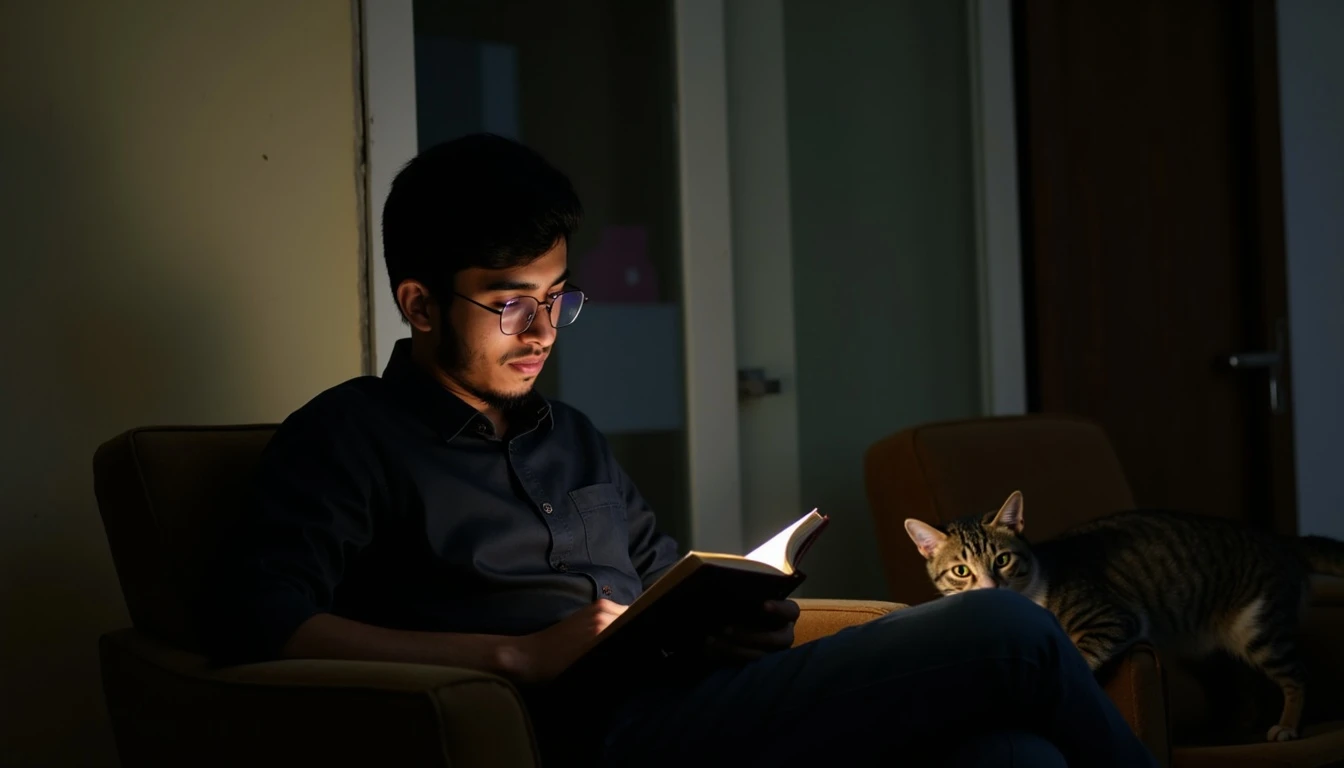
Ramadan is a very special time for Muslims all over the world. It’s a month when we fast from sunrise to sunset, avoiding food and water. But Ramadan is more than just fasting—it’s a time to grow closer to Allah, pray more, read the Quran, and become a better person. For many of us, though, it’s hard to balance our daily tasks with the spiritual side of Ramadan. That’s why I’m writing this blog post to help you learn how to spend a productive day in Ramadan.
Whether you’re a working person who goes to the office from 9 AM to 3:30 PM or a student with no school or college during Ramadan, this guide is for you. I’ll share easy routines that include work, prayer, reading the Quran, sleep, and even homework for students. Plus, I’ll use the Ramadan calendar for March 2025 to show Sehar and Iftar times so you can plan your day. My goal is to help you have a productive Ramadan while staying healthy and happy.
Let’s get started with some useful tips and routines to show you how to spend a productive day in Ramadan!
Ramadan Calendar: Sehar and Iftar Times (March 2025)
To plan your day, you need to know the times for Sehar (the meal before fasting starts) and Iftar (the meal to break your fast). Here’s a simple table based on the Ramadan calendar for March 2025. These times might change a little depending on where you live, but I’ll use average times like Sehar at 5:00 AM and Iftar at 6:00 PM for the routines.
| Day | Date | Sehar | Dhuhr | Asr | Iftar | Isha |
| 1 | Mar 2, Sun | 05:04 AM | 12:11 PM | 03:32 PM | 06:02 PM | 07:18 PM |
| 2 | Mar 3, Mon | 05:03 AM | 12:11 PM | 03:32 PM | 06:03 PM | 07:18 PM |
| 3 | Mar 4, Tue | 05:03 AM | 12:11 PM | 03:32 PM | 06:03 PM | 07:19 PM |
| 4 | Mar 5, Wed | 05:02 AM | 12:10 PM | 03:33 PM | 06:04 PM | 07:19 PM |
| 5 | Mar 6, Thu | 05:01 AM | 12:10 PM | 03:33 PM | 06:04 PM | 07:19 PM |
| 6 | Mar 7, Fri | 05:00 AM | 12:10 PM | 03:33 PM | 06:05 PM | 07:20 PM |
| 7 | Mar 8, Sat | 04:59 AM | 12:10 PM | 03:33 PM | 06:05 PM | 07:20 PM |
| 8 | Mar 9, Sun | 04:58 AM | 12:09 PM | 03:33 PM | 06:05 PM | 07:21 PM |
| 9 | Mar 10, Mon | 04:57 AM | 12:09 PM | 03:33 PM | 06:06 PM | 07:21 PM |
| 10 | Mar 11, Tue | 04:56 AM | 12:09 PM | 03:33 PM | 06:06 PM | 07:22 PM |
| 11 | Mar 12, Wed | 04:55 AM | 12:09 PM | 03:33 PM | 06:07 PM | 07:22 PM |
| 12 | Mar 13, Thu | 04:54 AM | 12:08 PM | 03:33 PM | 06:07 PM | 07:22 PM |
| 13 | Mar 14, Fri | 04:53 AM | 12:08 PM | 03:33 PM | 06:08 PM | 07:23 PM |
| 14 | Mar 15, Sat | 04:52 AM | 12:08 PM | 03:33 PM | 06:08 PM | 07:23 PM |
| 15 | Mar 16, Sun | 04:52 AM | 12:08 PM | 03:33 PM | 06:08 PM | 07:23 PM |
| 16 | Mar 17, Mon | 04:51 AM | 12:07 PM | 03:33 PM | 06:08 PM | 07:24 PM |
| 17 | Mar 18, Tue | 04:49 AM | 12:07 PM | 03:32 PM | 06:09 PM | 07:25 PM |
| 18 | Mar 19, Wed | 04:48 AM | 12:07 PM | 03:32 PM | 06:10 PM | 07:25 PM |
| 19 | Mar 20, Thu | 04:47 AM | 12:06 PM | 03:32 PM | 06:10 PM | 07:25 PM |
| 20 | Mar 21, Fri | 04:46 AM | 12:06 PM | 03:32 PM | 06:10 PM | 07:26 PM |
| 21 | Mar 22, Sat | 04:45 AM | 12:06 PM | 03:32 PM | 06:11 PM | 07:26 PM |
| 22 | Mar 23, Sun | 04:44 AM | 12:05 PM | 03:32 PM | 06:11 PM | 07:27 PM |
| 23 | Mar 24, Mon | 04:43 AM | 12:05 PM | 03:32 PM | 06:12 PM | 07:27 PM |
| 24 | Mar 25, Tue | 04:42 AM | 12:05 PM | 03:31 PM | 06:12 PM | 07:28 PM |
| 25 | Mar 26, Wed | 04:41 AM | 12:05 PM | 03:31 PM | 06:12 PM | 07:28 PM |
| 26 | Mar 27, Thu | 04:40 AM | 12:04 PM | 03:31 PM | 06:13 PM | 07:29 PM |
| 27 | Mar 28, Fri | 04:39 AM | 12:04 PM | 03:31 PM | 06:13 PM | 07:29 PM |
| 28 | Mar 29, Sat | 04:38 AM | 12:04 PM | 03:31 PM | 06:14 PM | 07:30 PM |
| 29 | Mar 30, Sun | 04:37 AM | 12:03 PM | 03:31 PM | 06:14 PM | 07:30 PM |
(Note: Check your local times as they may vary slightly.)
Now, let’s dive into how you can use these times to make a Ramadan routine that works for you.
How to Spend a Productive Day in Ramadan: For Working Professionals
If you work at an office from 9 AM to 3:30 PM, your day is busy, but you can still have a productive day in Ramadan. Here’s a simple routine to help you balance work, prayer, reading the Quran, and sleep.
Early Morning: Sehar and Fajr (4:30 AM - 5:30 AM)
- Wake Up for Sehar (4:30 AM): Get up early, around 4:30 AM, to eat your Sehar meal. Eat healthy foods like oats, bread, eggs, and fruits. Drink lots of water to stay strong all day.
- Pray Fajr (5:00 AM): After eating, pray Fajr. This is a great time to talk to Allah and ask for help to have a productive day in Ramadan.
- Rest or Read Quran: If you have time, read a few pages of the Quran. If you’re tired, go back to sleep until 7:00 AM to save energy for work.
Morning: Getting Ready for Work (7:00 AM - 9:00 AM)
- Wake Up Again (7:00 AM): Get out of bed, take a shower, and get dressed for work.
- Leave for Office (8:30 AM): Leave home early so you reach the office by 9:00 AM. Use this time to think about your day and stay calm.
At Work: Staying Focused (9:00 AM - 3:30 PM)
- Start Work (9:00 AM): Begin with your most important tasks. Since you’re fasting, your energy might drop later, so do hard work early.
- Pray Dhuhr (12:10 PM): Take a break to pray Dhuhr at the office. Find a quiet spot if there’s no prayer room.
- Pray Asr (3:30 PM): Before leaving work, pray Asr. This helps you stay connected to Allah during your busy day.
- Finish Work: Leave the office at 3:30 PM. Try not to take work home so you can rest and focus on Ramadan.
Afternoon: Rest and Prepare for Iftar (3:30 PM - 6:00 PM)
- Get Home (4:00 PM): When you reach home, rest for a bit. You can lie down or sit quietly to save energy.
- Help with Iftar: Around 5:30 PM, help your family prepare Iftar. Set the table or make a simple dish to share the work.
Evening: Iftar and Prayer (6:00 PM - 8:00 PM)
- Break Your Fast (6:00 PM): Start with dates and water, then eat a healthy meal with rice, chicken, and vegetables. Don’t eat too much at once—save some for later.
- Pray Maghrib: Right after Iftar, pray Maghrib. This is a peaceful moment to thank Allah.
- Read Quran: Spend 30 minutes reading the Quran. Try to finish a small part each day.
Night: Taraweeh and Sleep (8:00 PM - 10:00 PM)
- Pray Isha and Taraweeh (8:00 PM): Go to the mosque or pray at home with your family. Taraweeh is a special Ramadan prayer that helps you feel closer to Allah.
- Relax: After Taraweeh, talk to your family or plan tomorrow’s tasks.
- Sleep Early (10:00 PM): Go to bed by 10:00 PM so you get enough rest for the next day.
This routine shows how to spend a productive day in Ramadan if you’re working. It mixes work with prayer and rest so you don’t feel too tired.
How to Spend a Productive Day in Ramadan: For Students
If you’re a student and your school or college is off during Ramadan, you have more free time. This is a great chance to focus on spiritual growth and studies. Here’s a Ramadan routine for students.
Early Morning: Sehar and Fajr (4:30 AM - 6:00 AM)
- Wake Up for Sehar (4:30 AM): Get up at 4:30 AM and eat a good meal. Try foods like cereal, bananas, and milk. Drink water to stay fresh.
- Pray Fajr (5:00 AM): After Sehar, pray Fajr. Sit for a few minutes to make dua and think about your day.
- Read Quran: Spend 30 minutes reading the Quran. This is a quiet time when you can focus well.
Morning: Study and Homework (6:00 AM - 12:00 PM)
- Start Studying (6:00 AM): Since you’re not at school, use the morning to do homework or study. Work on math, science, or any subject you like.
- Take a Break (9:00 AM): Stop for a few minutes to stretch or rest your eyes.
- Keep Going (9:30 AM): Study more until noon. Try to finish one big task, like a school project or reading a book.
Afternoon: Rest and Light Work (12:00 PM - 5:00 PM)
- Pray Dhuhr (12:10 PM): Take a break to pray Dhuhr. This keeps you on track for a productive day in Ramadan.
- Nap Time (1:00 PM): Sleep for 30-60 minutes to recharge. Fasting can make you tired, so rest helps.
- Pray Asr (3:30 PM): Wake up and pray Asr. Then, do something light like helping your mom cook or cleaning your room.
Evening: Iftar and Prayer (5:00 PM - 8:00 PM)
- Prepare for Iftar (5:30 PM): Help set up Iftar with your family. Maybe cut some fruit or pour water.
- Break Your Fast (6:00 PM): Eat dates and water first, then have a meal with bread, soup, and salad.
- Pray Maghrib: Pray Maghrib right after Iftar to stay connected to Allah.
- Read Quran or Relax: Spend 30 minutes reading more Quran or talking to your family.
Night: Taraweeh and Sleep (8:00 PM - 10:00 PM)
- Pray Isha and Taraweeh (8:00 PM): Join Taraweeh prayers at the mosque or pray at home. It’s a big part of Ramadan.
- Plan Tomorrow: Think about what you want to do the next day—more study or Quran reading.
- Sleep Early (10:00 PM): Go to bed by 10:00 PM to wake up fresh for Sehar.
This routine helps students learn how to spend a productive day in Ramadan by mixing studies, prayer, and rest. You can change it to fit your needs.
Tips for a Productive Ramadan
No matter if you’re working or a student, these Ramadan tips will help you stay productive:
- Make a Plan: Write down your daily tasks before Ramadan starts. Include work, prayer, and sleep times.
- Set Small Goals: Don’t try to do too much. Pick 2-3 things to finish each day, like reading Quran or finishing homework.
- Rest When Needed: Take short breaks or naps to keep your energy up. Fasting can make you tired, so don’t push too hard.
- Drink Water: After Iftar and before Sehar, drink lots of water. This helps you feel good all day.
- Eat Healthy: For Sehar, eat slow-energy foods like rice or oats. For Iftar, avoid oily food—try fruits and veggies instead.
- Avoid Distractions: Stay away from too much TV or phone time. Focus on prayer and family instead.
- Ask for Help: If you’re busy, ask your family to help with chores or cooking.
These tips make fasting and productivity easier. They show you how to spend a productive day in Ramadan without stress.
Frequently Asked Questions (FAQs)
Here are 10 questions people often ask about how to spend a productive day in Ramadan, with simple answers:
- How can I work and fast at the same time?
- Plan your work early in the day when you’re strong. Take breaks to pray and rest.
- What keeps me full of energy in Ramadan?
- Eat good food for Sehar, drink water at night, and sleep enough.
- How do I find time for Quran reading?
- Read a little after Fajr, during breaks, or after Iftar. Even 10 minutes helps.
- What’s the best food for Sehar and Iftar?
- Sehar: Oats, eggs, water. Iftar: Dates, soup, chicken, and salad.
- How can students study and pray in Ramadan?
- Study in the morning, pray on time, and rest in the afternoon.
- Can I exercise while fasting?
- Yes, but keep it easy—like walking after Iftar.
- Why do I feel sleepy all day?
- You might need more sleep or water. Take a nap if you can.
- How do I make the last 10 days of Ramadan special?
- Pray more, read Quran, and look for Laylat al-Qadr (the Night of Power).
- How can my family join Ramadan activities?
- Eat Iftar together, pray Taraweeh as a group, or read Quran aloud.
- What if I miss a fast because I’m sick?
- Talk to someone who knows Islamic rules. You can make it up later.
These FAQs help you understand how to spend a productive day in Ramadan better.
Conclusion: Make Your Ramadan Amazing
Ramadan is a beautiful month to grow spiritually and get things done. Whether you’re a working professional or a student, you can learn how to spend a productive day in Ramadan with the right routine. Plan your day, pray on time, read the Quran, and rest well. This way, you’ll have a productive Ramadan that feels good for your body and soul.
Try the routines and tips I shared here. Adjust them to fit your life. The key is to stay balanced and keep Allah in your heart. Let’s make this Ramadan the best one yet!
Want your website to reach more people? I’m Mr. Sadekur, an SEO specialist, and I can help! Contact me today for expert SEO services to boost your online success.

Written by Sadekur Rahman
SEO & Website Strategy Specialist at Pixelvega and SEO Executive at Daily Amar Desh. 6+ years helping brands grow with data-driven SEO.