E-commerce SEO: Proven Strategies to Boost Sales and Outrank Competitors for Your Online Store
Boost your online store's traffic and sales with proven e-commerce SEO strategies. Get actionable tips from SEO specialist Sadekur Rahman to optimize your site.

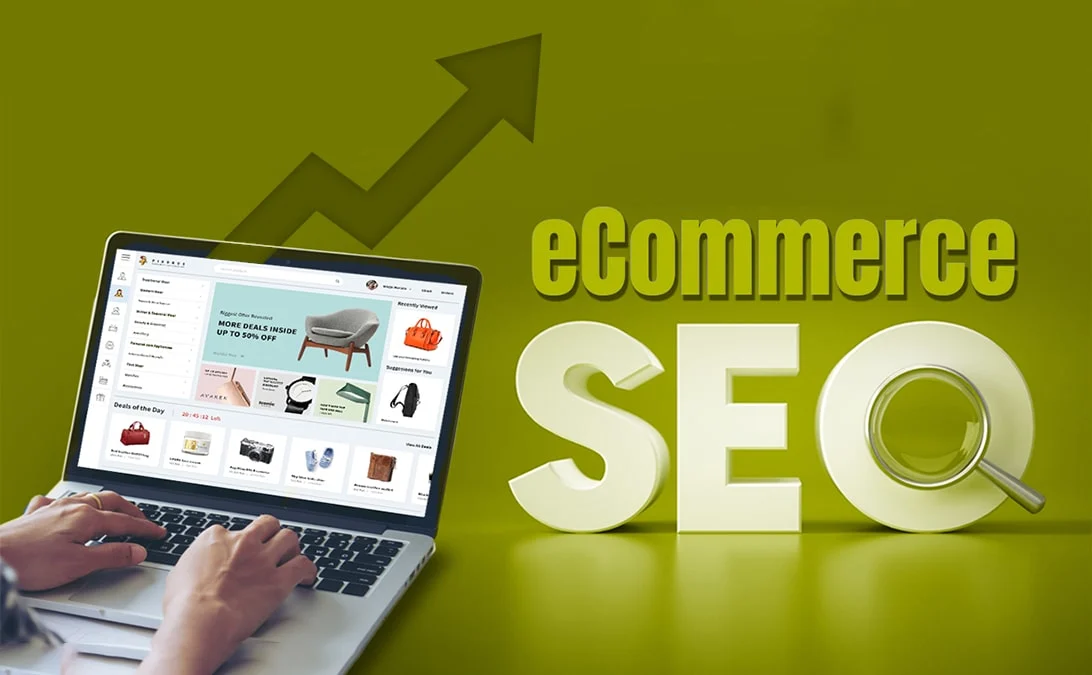
E-commerce SEO is optimizing your online store to rank higher in search results. It “transforms how online stores appear in search results, bringing more unpaid visitors to your website”. By optimizing product listings, content, and site structure, your store shows up for the searches your customers make. In fact, about 75% of users never click past the first page of results, and organic results are often viewed as more credible than ads. Higher rankings build lasting organic traffic, unlike paid ads that stop delivering customers when the budget ends. Overall, a strong SEO strategy yields more visitors, greater brand awareness, and increased sales.
- Key Elements: Effective e-commerce SEO blends keyword research, on-page optimization (product and category pages), content marketing (blogs, guides, reviews), technical improvements (site speed, mobile-friendly design, secure connections), and link-building to strengthen authority. Combining these elements helps capture customer intent and drive sales.
Team members discussing an online store's SEO strategy. In an SEO strategy session, colleagues review site analytics, product data, and marketing content to plan optimizations. These collaborative discussions ensure efforts target the right products and audience. Coordinating SEO with product and marketing teams can uncover new content ideas and improve site structure. For example, an SEO specialist might meet with a store manager to align on keywords and promotions.
Keyword Research for E-commerce
Finding the right keywords is the foundation of e-commerce SEO. Identify the terms and phrases customers use when searching to buy your products. Use tools like Google Keyword Planner, Ahrefs, or SEMrush to uncover high-intent keywords. Specialized tactics work well for online stores: for example, Amazon’s autocomplete suggestions reveal actual buyer queries. As you type a product name into Amazon’s search bar, the suggested completions reflect real purchasing language that can guide your keyword choices.
- Buyer Intent: Focus on transactional keywords. Terms like “buy [product]” or specific product-plus adjective searches indicate readiness to purchase. BigCommerce notes that optimizing pages for these transactional terms (e.g. including words like “buy” or “order”) can significantly improve conversions. By targeting such keywords in product titles and descriptions, you attract users who are ready to buy.
- Competitor Analysis: See which keywords top competitors rank for. Tools like Ahrefs or SEMrush can uncover the terms your rivals use on their high-ranking pages. This reveals new keyword ideas and content opportunities. For instance, if a competitor’s blog ranks for “best [product]”, consider a similar informative article linking to your own products.
- Organize Keywords: Create a keyword matrix or spreadsheet to map terms by intent (informational vs. transactional) and assign them to specific pages (product, category, or content pages). This ensures you cover broad, specific, and long-tail searches, and that each page targets a unique set of keywords.
On-Page Optimization (Product & Category Pages)
On-page SEO makes each page as relevant and persuasive as possible for both users and search engines. For e-commerce, this means carefully optimizing product pages and category (collection) pages with clear structure and rich content.
Optimizing Product Pages
- Product Titles & Headings: Include the main keyword (usually the product name) in the H1/title tag. Keep titles descriptive and concise (under ~60 characters). For example: “Wireless Noise-Cancelling Headphones – BrandName” instead of just “Headphones”. A clear keyword-focused title signals the page’s content to search engines and shoppers.
- Compelling Descriptions: Write unique, detailed product descriptions. Include key features, specifications, and benefits. This not only aids SEO by adding relevant content but also helps customers make buying decisions. Sprinkle in related keywords naturally, but prioritize readability. High-quality descriptions can also reduce returns by setting the right expectations.
- High-Quality Images & Alt Text: Use clear, professional product images. Always fill in alt text for each image (e.g., alt="Bluetooth noise-cancelling headphones by BrandName"). Google can’t “see” images, so alt text tells it what’s pictured. This improves accessibility and provides an extra opportunity to include your keyword.
- Customer Reviews & Q\&A: Display reviews and Q\&A on product pages. User-generated content is unique and often contains natural keyword variations. It also builds trust. Shopify advises collecting and showing reviews and customer questions, which benefits SEO and conversions.
- Structured Data (Schema): Add product schema markup (JSON-LD) to each product page. Include details like price, availability, and aggregate ratings. Structured data helps Google display rich snippets (stars, price, etc.) in search results, making listings more attractive. According to Shopify’s best practices, using Product and AggregateRating markup can boost visibility and click-through rates.
- URL Structure: Create simple, readable URLs. Include the primary keyword and use hyphens (e.g., /wireless-noise-cancelling-headphones). BigCommerce notes that shorter, keyword-rich URLs tend to rank higher. Avoid extra parameters or ID numbers when possible.
- Meta Descriptions: Write a concise meta description (~150–160 characters) highlighting the main benefit or feature. Though meta descriptions don’t directly affect ranking, they can improve click-through rates. Use an action verb, include the keyword, and consider a call-to-action (e.g., “Shop now”).
- Internal Linking: Within product descriptions or “related products” sections, link to other relevant products or categories. For example, “Customers who bought this camera also purchased [memory cards] or [tripods].” This helps distribute page authority across your site and keeps users engaged.
Optimizing Category (Collection) Pages
- Clear Headings: Each category page should have a distinct H1/title with the category keyword (e.g. “Wireless Headphones”). Also use relevant H2/H3 subheadings if needed (e.g. “Top Brands”, “How to Choose”).
- Introductory Content: Don’t just list products – add a brief introduction or overview (at least ~300 words) at the top of the page. Describe what the category is about and include target keywords. For example, a “Wireless Headphones” page might explain Bluetooth technology and its benefits. This content provides context for Google and can rank for additional long-tail queries.
- Navigation & Crawlability: Link all important category pages from your main menu or homepage. Shopify recommends making sure “collections are accessible from the main nav” and avoiding orphan pages. Each key page should be reachable within a few clicks of the homepage so search engines can easily discover and index them.
- Clean URLs: Follow the same URL rules (short and keyword-rich). For example: example.com/headphones/wireless.
- Structured Data: Where applicable, implement breadcrumb schema so Google can show breadcrumb trails in results. This not only improves the snippet in search but also reinforces your site’s hierarchy. Proper breadcrumbs help Google understand your site structure.
- Content Blocks: Consider adding sub-category descriptions or filters (e.g., by brand or price) with text. This can give Google more to crawl. For instance, a line of text about “Top Wireless Headphone Features” can include additional related keywords.
By fully optimizing on-page elements, your product and category pages become highly relevant to target searches, improving rankings and conversions.
Content Strategy and Blogging
Regular content creation complements product pages and captures additional search traffic. High-quality content educates shoppers and establishes your site as an authority. Some effective content tactics:
- Blog Posts & Guides: Create articles that answer customer questions or relate to your niche. For example, a camera store could blog “How to Choose the Best DSLR Camera” or “10 Tips for Landscape Photography.” These pages target informational keywords and can link back to relevant products. For instance, use anchor text like “camera tips” linking to your camera collection. Shopify notes that linking blog content to product pages is a key practice.
- Seasonal or Topical Content: Publish gift guides or lists for holidays and events (e.g., “Best Gift Ideas for Dad”, “Summer Running Essentials”). These often perform well in seasonal search queries and drive targeted traffic.
- Comparison and List Posts: Write content like “Product A vs. Product B” or “Top 5 XYZ Products” to capture shoppers comparing options. These usually rank for popular queries and can include affiliate or direct links to your product pages.
- FAQ Pages: Compile frequently asked questions about your products or industry. An FAQ page or section can rank for specific queries (e.g., “how long does shipping take?”) and keep users engaged.
- User-Generated Content: Encourage customers to submit reviews or images, or to participate in surveys that can become blog content (“Our Favorite Customer Photos”).
- Content Types: Experiment with videos, infographics, and how-to graphics. BigCommerce suggests leveraging growing content trends like short-form videos and visual storytelling, as 63% of marketers report they drive loyalty.
Quality content naturally attracts backlinks and shares. As you create content, always think of internal links: each piece of content should link to relevant products and categories, gently guiding readers toward making a purchase.
Technical SEO and Site Performance
A solid technical foundation lets all your SEO efforts pay off. Focus on these key areas:
- Page Speed: A fast site improves rankings and user experience. Compress images, minify code, and use browser caching. Google’s PageSpeed Insights and Lighthouse can identify slow-loading elements. Shopify emphasizes optimizing your site for speed so customers can easily access products.
- Mobile Optimization: Ensure your store is responsive and mobile-friendly. Google’s mobile-first indexing means your mobile design impacts rankings. Test pages with Google’s Mobile-Friendly Test and fix any issues (e.g., clickable elements too close together, slow load on mobile).
- Secure HTTPS: Use HTTPS for your entire site. A secure connection is a minor ranking factor and, more importantly, builds trust (especially for e-commerce where payments occur).
- Structured Data: As mentioned, implement product, breadcrumb, and review schema. Use Google’s Rich Results Test to verify. Correct structured data increases the chance of rich snippets (product stars, price, etc.), making your listing stand out.
- XML Sitemap & Robots.txt: Submit an updated sitemap.xml in Google Search Console. Use robots.txt to block irrelevant pages (like internal search results). A clean sitemap helps Google find and crawl all your key pages.
- Clean URL & Architecture: Follow Google’s advice to design a clear site structure. Keep the hierarchy logical (Home > Category > Subcategory > Product). Ideally, all pages should be reachable within 3 clicks from the homepage. Implement breadcrumb navigation so users and Google understand the site’s layout.
- Fix Crawl Issues: Regularly check Google Search Console for crawl errors (404s, server errors) and fix them. Ensure redirects are set up correctly when you remove or rename pages.
- Duplicate Content: E-commerce sites can suffer from duplicate content (e.g., faceted navigation creating many URL variants). Use canonical tags to point Google to the preferred page.
- Ongoing Audits: Schedule periodic technical audits using tools like Screaming Frog, SEMrush Site Audit, or Ahrefs. Identify issues like broken links, missing meta tags, or duplicate content. Conduct monthly or quarterly check-ups so problems are caught early.
Off-Page SEO and Link Building
Building your site’s authority through external signals is a vital SEO component:
- Quality Backlinks: Earn links from reputable, relevant sites. This could be industry blogs, influencers, or partner sites reviewing your products. For example, sending free products to bloggers for review can yield high-authority backlinks. One valuable link from a well-known site can have more impact than many low-quality links.
- Internal Linking: Use internal links wisely. For instance, link from a blog post or category page to related products with descriptive anchor text. This not only helps SEO but also keeps visitors engaged and moving through your store.
- Google Merchant & Shopping Ads: Although technically paid, syncing products with Google Merchant Center can make your products appear in Google’s shopping tab. This increases visibility for shopping queries. Shopify’s list of practices includes setting up Merchant Center to complement SEO efforts.
- Brand Mentions: Encourage satisfied customers to share your products on social media or review sites. While social links are usually nofollow, the exposure can drive visitors and subsequent links.
- Local SEO (if applicable): If you have a physical storefront or local market, ensure consistent NAP (Name/Address/Phone) listings on Google Business Profile and local directories. Local SEO signals can help your store appear in local searches.
- Patience and Persistence: Remember, building authority takes time. Even a few high-quality links can improve domain strength. Focus on relationships and content worth linking to, rather than buying links or spamming directories.
Measuring Success and Essential Tools
Track your SEO performance and make data-driven decisions:
- Google Analytics: Set up Ecommerce tracking and goals to measure sales and conversions from organic traffic. Monitor metrics like organic visitors, bounce rate, and average order value. See which pages drive the most traffic and revenue.
- Google Search Console: Use GSC to monitor keyword rankings, impressions, and click-through rates. Check the Coverage report for crawl errors or indexing issues, and the Enhancements reports for mobile and page speed insights.
- Rank Tracking: Tools like SEMrush, Ahrefs, or Moz can track your target keywords over time. Watch how your rankings improve after implementing optimizations.
- Site Audit Tools: Regularly run audits (Screaming Frog, SEMrush, or Google Lighthouse) to catch technical issues early—broken links, slow pages, missing alt tags, etc.
- Reporting: Provide clear reports (monthly or quarterly) showing key metrics: traffic trends, keyword rankings, and conversions. Visual dashboards or spreadsheets can highlight progress. This transparency builds trust with stakeholders.
By continuously measuring and refining, you ensure your e-commerce SEO strategy stays on track and adapts to changes.
Why Choose Sadekur Rahman for E-commerce SEO?
When you partner with Sadekur Rahman’s SEO agency, you gain an experienced team focused on growing your online store:
- Proven Results: We’ve helped numerous e-commerce businesses improve traffic and sales. Check our Case Studies page to see success stories and real-world ROI.
- All-In-One Services: From in-depth keyword research and on-page optimization to technical SEO and content strategy, we handle every aspect of SEO. Explore our full Services to learn what we offer.
- Customized Approach: Every store is unique. We tailor strategies to your products, audience, and budget. Whether you’re just starting or scaling up, we create a plan that meets your goals.
- Transparent Reporting: We keep you informed with clear, regular reports and calls. You’ll see exactly what’s being done and how it’s impacting your traffic and sales.
- Ongoing Support: Have a question or need advice? Book a meeting with us anytime via our Book a Meeting page, or drop a message on the Contact form. We’re here to help your business grow.
Ready to boost your store’s visibility and sales? Schedule a free consultation by booking a meeting or explore our Plans & Pricing to get started.
SEO Plans and Pricing
We offer flexible packages designed for every stage of growth. Compare our e-commerce SEO plans below:
| Features | Basic Plan(\$499/mo) | Advanced Plan(\$999/mo) | Premium Plan(\$1499/mo) |
| Monthly Cost | \$499 | \$999 | \$1499 |
| Keyword Optimization | Up to 10 keywords | Up to 20 keywords | Up to 40 keywords |
| On-Page SEO | Titles, metas, alt tags | +Advanced content optimization | +Premium content strategy |
| Content Creation | 1 blog post or guide per month | 2 blog posts/guides per month | 4 blog posts/guides per month |
| Link Building | Basic (local directories) | Moderate (guest posts, outreach) | Extensive (PR campaigns, partnerships) |
| Technical Audit | Quarterly audit | Monthly audit | Bi-weekly monitoring |
| Reporting & Analysis | Monthly report | Bi-weekly report | Weekly dashboard + strategy calls |
| Support | Email support | Email + Chat support | Priority support + consultations |
For full details on each plan and custom options, visit our Plans & Pricing page.
Frequently Asked Questions
Q: What is e-commerce SEO and how can it increase my sales? A: E-commerce SEO means optimizing your online store’s pages (products, categories, blog posts) so they rank higher in search results. Higher rankings drive more qualified visitors to your site – people actively searching for products you sell. Because organic traffic often converts well, this increased visibility directly translates into more sales without the cost of ads.
Q: How long until I see results from SEO? A: SEO is a long-term strategy. You may start seeing improvements in rankings and traffic within 3–6 months, though competitive markets can take longer. Significant sales growth usually builds over 6–12 months of consistent optimization. We focus on quick wins (like fixing site issues) while building lasting SEO foundations for your store.
Q: What services do you offer for e-commerce SEO? A: We cover everything: keyword research, on-page optimization, technical SEO audits, content strategy, link building, and ongoing analytics. We tailor our service to your needs. See our Services page for a complete list, or contact us to discuss a custom solution.
Q: How can I get started? A: Simply book a free consultation to discuss your store’s needs. We’ll assess your current SEO and propose a plan. You can also explore our Plans & Pricing to find a package that fits your budget, or contact us with any questions.
Ready to take your e-commerce sales to the next level? Contact us today and let’s craft an SEO strategy that drives growth for your business.
Sources: Authoritative SEO and e-commerce guides and official Google documentation.

Written by Sadekur Rahman
SEO & Website Strategy Specialist at Pixelvega and SEO Executive at Daily Amar Desh. 6+ years helping brands grow with data-driven SEO.